Ancient Guardians: Unearthing the Power of the Six Jizo in Nioh 3
Feb-08-2026
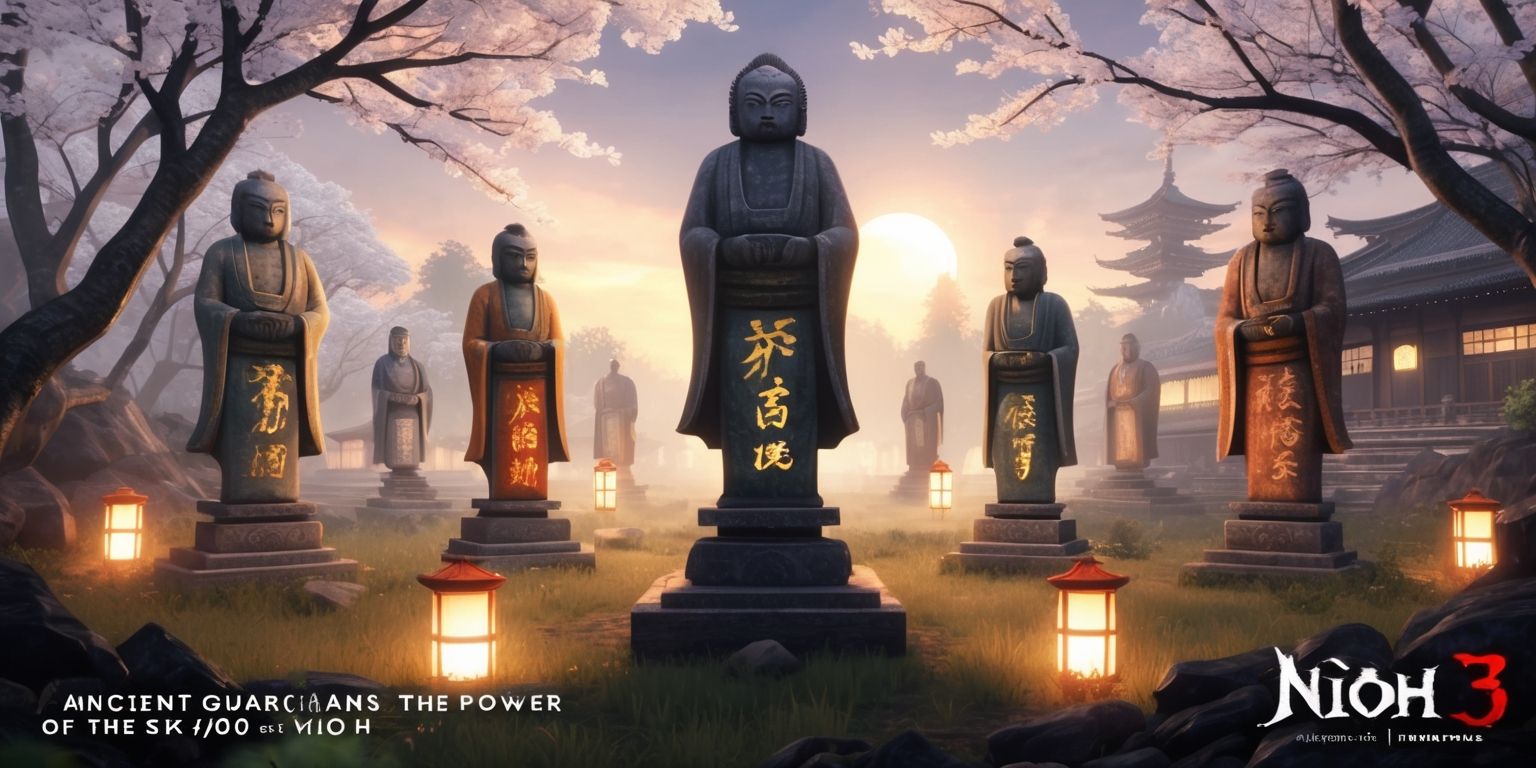
The world of Nioh 3 unfolds with a myriad of hidden treasures and ancient relics that enrich its gameplay experience. One such captivating element is the presence of mystical statues scattered across every region of the game. These symbolic markers, known as the Six Jizo, hold a significance that extends far beyond their simple appearance. Discovering these statues is not merely an exploration task; it is an integral part of acquiring a unique currency that enhances your abilities when facing formidable challenges. The careful placement and magical rewards associated with the Six Jizo offer both tactical advantages and immersive storytelling, Encouraging players to further explore the rich backstory and environment of Nioh 3.
Uncovering Mystical Relics
Within the intricate landscape of Nioh 3, the mystical Six Jizo statues are interwoven with the fabric of the game’s design and narrative. Players can come across these statues as they traverse diverse regions, each one strategically placed to reward the curious explorer. Each encounter with a The sculpture serves as a compelling invitation to connect with the… mystical forces that pulse beneath the game’s surface. By praying at these statues, adventurers receive the coveted Jizo Merit, which is more than just a collectible currency. It serves as a vital resource that can be exchanged for buffs and enhancements, creating a direct interplay between exploration and combat strength. In many ways, the design of these relics emphasizes the fusion of ancient myth and modern gaming innovation, challenging players to remain both observant and adaptive.
The Currency of Ancient Power
The concept behind Jizo Merit is a prime example of how Nioh 3 marries traditional storytelling with gameplay mechanics. The statues bestow this special merit when respectfully activated, transforming what could be a simple decorative element into an essential asset on the battlefield. This merit plays a crucial role during moments of intense combat, especially within the daunting arena of the Crucible, where adversaries test your mettle with increased ferocity. The ability to invest Jizo Merit in various beneficial buffs, such as enhancements to one's damage output and improvements in resource drop rates, introduces an A supplementary facet of strategy emerges, compelling players to choose the optimal moment to… and where to spend these points at Shrines, weighing the risks of delayed fortification against the rewards of a well-timed advantage in life-threatening encounters.
Mapping the Hidden Treasures
Navigating the world of Nioh 3 involves deciphering the subtleties of its terrain and architecture, where the placement of the Six Jizo statues plays a crucial role in discovery. Each region holds a promise of its own challenges and secrets, with the statues acting as beacons of ancient power amid rugged landscapes and deteriorating strongholds. The game offers detailed maps that allow players to pinpoint the locations of these enigmatic relics, encouraging thorough exploration. Interactive map interfaces provide close-up views of terrain, ensuring that even the smallest details in the environment become part of the puzzle. This careful design fosters a sense of immersion and accomplishment among players, who must be observant and resourceful to fully harness the benefits provided by the Jizo Merit currency.
Fortifying the Crucible Experience
The Crucible is a demanding arena within Nioh 3 that pushes players to optimize their combat strategies and resource management skills. Here, the importance of the Jizo Merit becomes evident, as opponents possess enhanced abilities and inflict harmful conditions that threaten the stability of one’s life energy. The buffs accessible via the Blessings menu at Shrines are not merely cosmetic additions; they are indispensable tools that can turn the tide of battle. With the added effects of increased damage, improved resource management, and other tactical benefits, each empowered moment is a direct result of meticulous exploration and currency accumulation through the Six Jizo statues. The intertwining of exploration with tangible combat advantages creates a dynamic environment where each decision—whether to seek out the statues or invest in a crucial buff—carries weight and consequence.
Designing a Journey of Discovery
The integration of the Six Jizo statues into Nioh 3 illustrates the game designers' commitment to creating a rich tapestry of interrelated systems. The placement of these statues is not random; each one is envisioned as a narrative device that beckons history and lore into the current struggle. As players traverse ancient battlefields and mystical ruins, the environment itself becomes a teacher. Abstract hints embedded in the surroundings guide the seeker towards these sacred relics, encouraging both exploration and observation. Every discovered statue adds not only to the player’s resource pool but also to the broader narrative that ties together folklore, tradition, and modern combat dynamics. This method of world-building invites players to piece together the clues of a forgotten past while equipping themselves for the trials ahead.
Enhancing Tactical Engagement
A particularly striking feature of the Six Jizo statues is how they catalyze a deeper level of tactical engagement during combat. The Jizo Merit collected from each statue is a gateway to a suite of combat enhancements accessible just before heading into the Crucible. Players have the opportunity to visit Shrines and access the Blessings menu, where they can choose from a range of strategic buffs. These improvements can result in a temporary surge of prowess, enabling one to tackle adversaries with stronger and more refined attacks or to enhance vital aspects like resource generation. The delicate balance between judicious exploration of the game’s vast segments and the strategic use of resources makes every journey a blend of exploration and deliberate combat planning. This planned interplay is what sets Nioh 3 apart as it rewards both curiosity and tactical foresight.
Encouraging Exploration Through Rewards
Nioh 3 is designed in a way that subtly Inspires players to discover every hidden corner of its vast universe. The Six Jizo statues serve a dual purpose in this respect by not only offering an in-game currency but also acting as markers of historical significance within the game’s narrative. Players are led to these monuments through visual cues and atmospheric storytelling, which makes each encounter feel significant. Furthermore, the experience of discovering a statue and collecting Jizo Merit can be transformative—altering the dynamics of subsequent encounters by providing essential buffs and enhancements. This reward-driven exploration creates a continuous loop where each success feeds into greater confidence and a keener eye for detail, thus enhancing both the overall gaming experience and the deeper connection to the game’s heritage.
Visual and Thematic Richness
Beyond their gameplay significance, the Six Jizo statues contribute to the aesthetic and thematic depth of Nioh 3. Each statue is intricately designed to mirror the historical and mystical influences that permeate the game. Their detailed carvings and symbolic gestures evoke a sense of ancient spirituality and reverence, integrating seamlessly with the game's overarching theme of old-world mysticism clashing with relentless modern challenges. The artistic choices in lighting, texture, and background settings further imbue each statue with a distinct character and presence. This careful art direction draws players into a world where every element, from architecture to character design, tells a story. These sculptures serve as quiet chroniclers of the… passage of time, inviting players to reflect on the mantras of perseverance and strategic mindfulness that define their journey.
Learning and Adapting in Real Time
Adaptability is an essential characteristic for any warrior navigating the treacherous grounds of Nioh 3, and the integration of the Six Jizo statues into the gameplay framework reinforces this principle. Each time a player successfully discovers and activates a statue, it serves as both a resource boost and a lesson in strategic planning. The ability to transition seamlessly between exploration and combat, armed with the benefits of Jizo Merit, fosters a learning curve that is both challenging and gratifying. As players experiment with different combinations of buffs and tactics, they learn to optimize their approach to confront increasingly formidable foes. This dynamic interplay between discovery, resource management, and tactical combat keeps players engaged and continuously adapting, ensuring that every encounter—be it in a narrow corridor or an expansive battlefield—is uniquely challenging and rewarding.
Interwoven Narrative Threads
The integration of the Six Jizo statues extends beyond simple mechanics and into the narrative soul of Nioh 3. These relics are interwoven with threads of ancient lore, which invite players to not only fight for survival but also piece "the integration of cultural and historical contexts within the" world. As players progress, the statues gradually reveal stories of battles long past and ancient guardians. The narrative depth provided by this exploration is subtle yet powerful, enriching the overall experience by converting every encounter into a step along a historic journey. This narrative layering allows players to appreciate the ergonomics of game design from multiple angles. Each statue, with its silent presence, acts as a bridge between present conflict and bygone eras, offering insights that are as enriching in spirit as they are advantageous in combat.